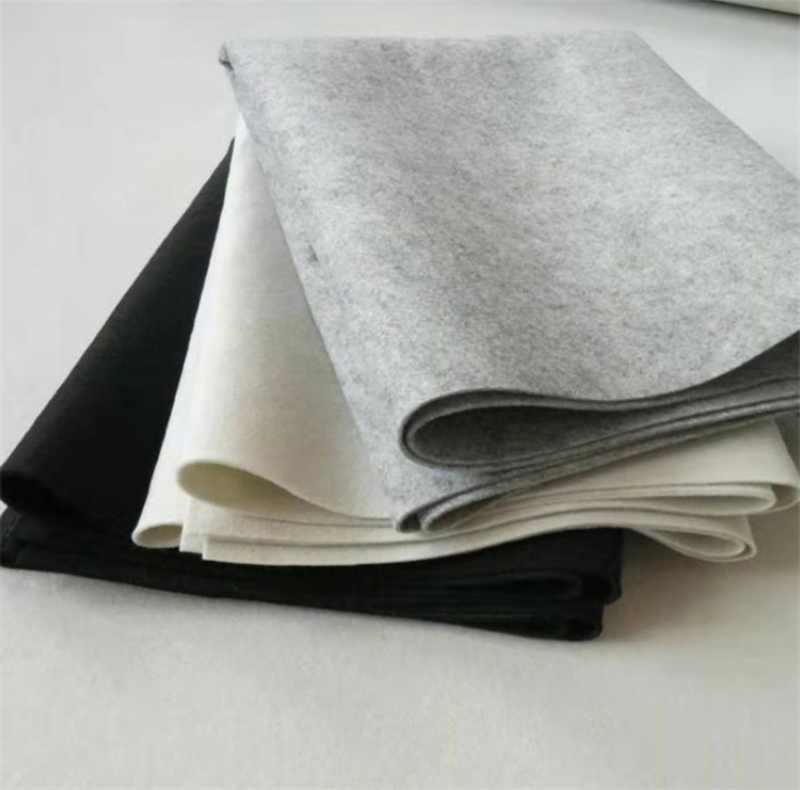
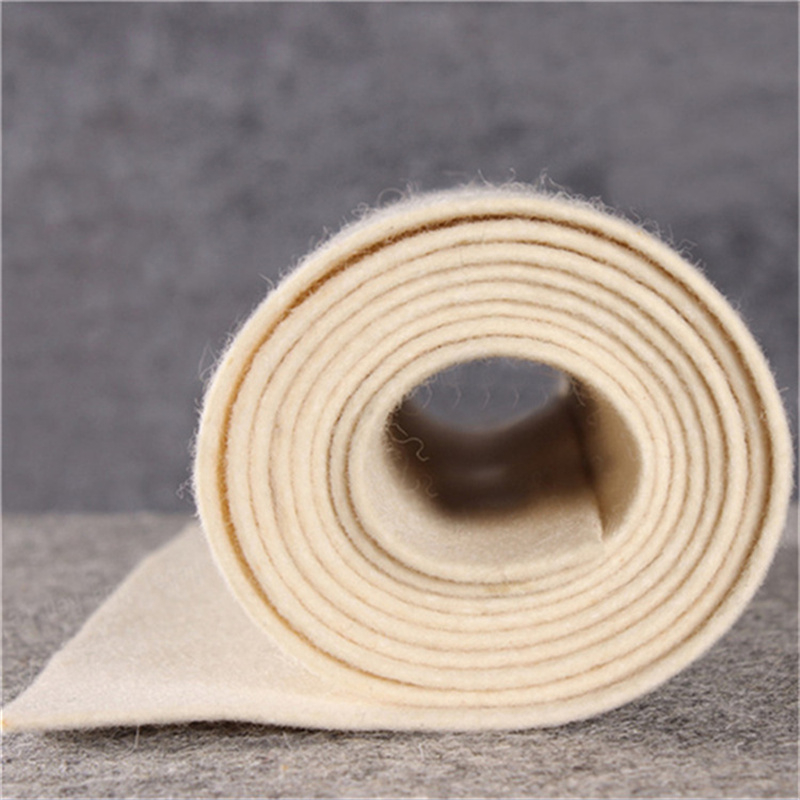
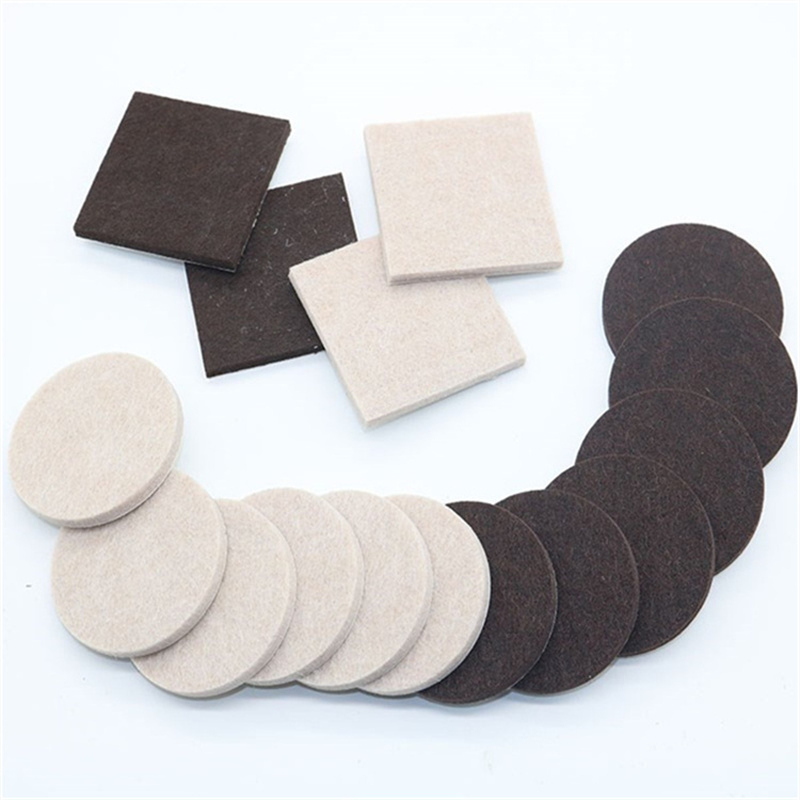
Classification and numbering instructions for industrial felts
Industrial felts are divided into 4 categories according to the raw materials used:
1. Classification
Industrial felts are divided into 4 categories according to the raw materials used:
1.1. Fine felt (mainly first-grade wool)
1.2. Semi-coarse felt (mainly second- and third-grade wool)
1.3. Coarse felt (mainly grade three and grade four wool)
1.4. Pure polyester fiber felt.
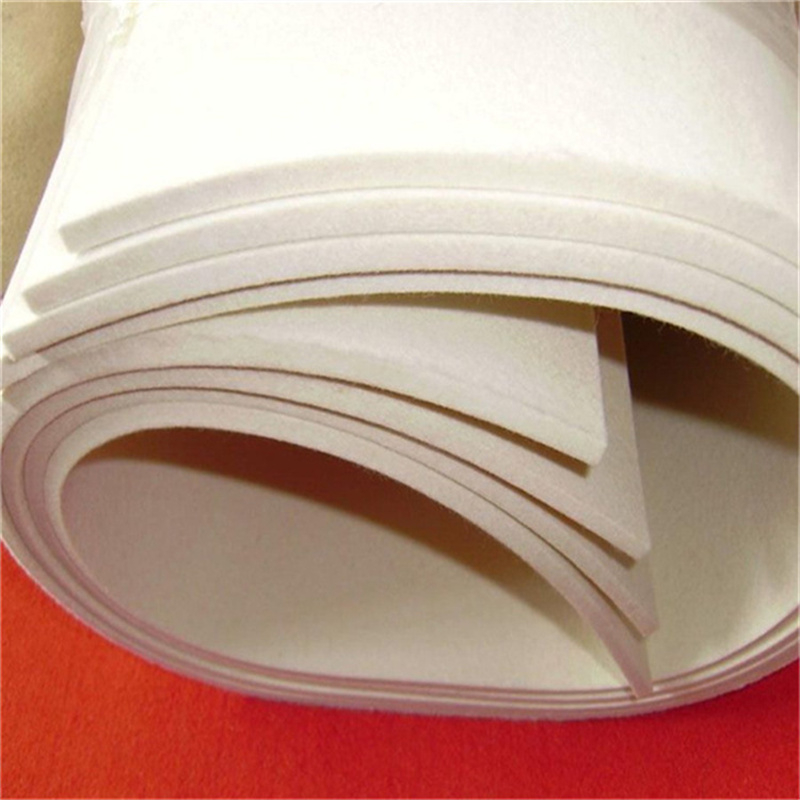
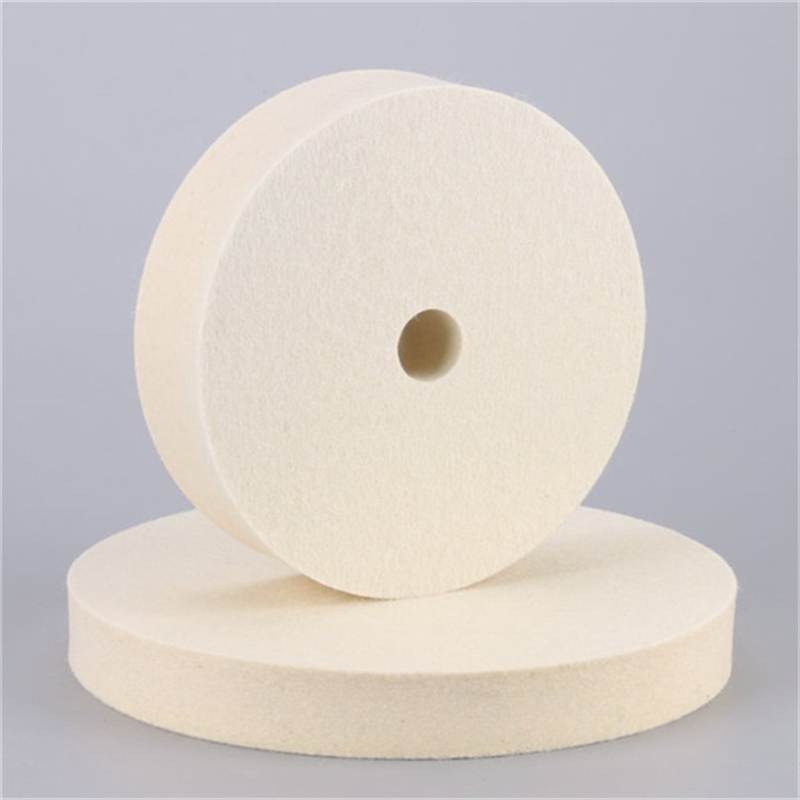
2. Product number
The product number consists of five digits, with the symbol "_" in between the three and four digits.
2.1. The first digit indicates the product color:
|
The first one |
Raw material color |
|
1 |
White |
|
2 |
Grey |
|
3 |
Natural Variegated |
|
4 |
Color |
|
5 |
Various colors |
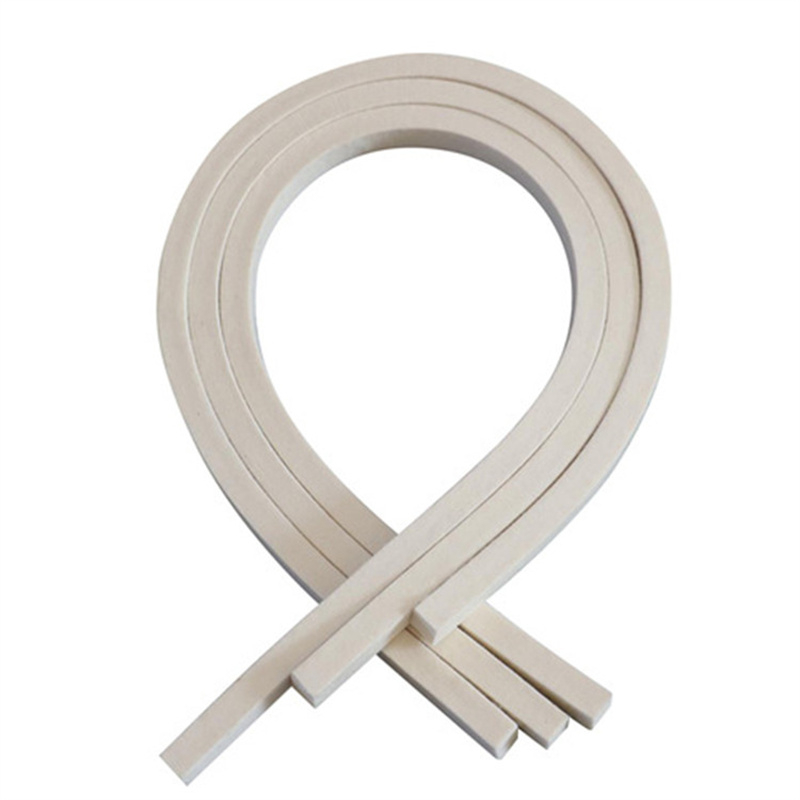
2.2. The second digit indicates the type of raw materials used.
|
Second |
Raw material type |
|
1 |
Fine Wool |
|
2 |
Semi-Coarse Wool |
|
3 |
Coarse Wool |
|
4 |
Miscellaneous hair |
|
5 |
Animal Hair |
|
6 |
Polyester |
|
7 |
Other |
2.3. The third digit indicates the product variety and specifications:
|
Third |
Variety specifications |
|
1 |
Flat felt(Length ≥ 5m) |
|
2 |
Felt block(Length < 5m) |
|
3 |
Felt wheel |
|
4 |
Felt tube |
|
5 |
Ring parts (oil seal) |
|
6 |
Ring parts with joints |
|
7 |
Block parts |
|
8 |
Round parts |
|
9 |
Bar parts |
|
10 |
Filter element |
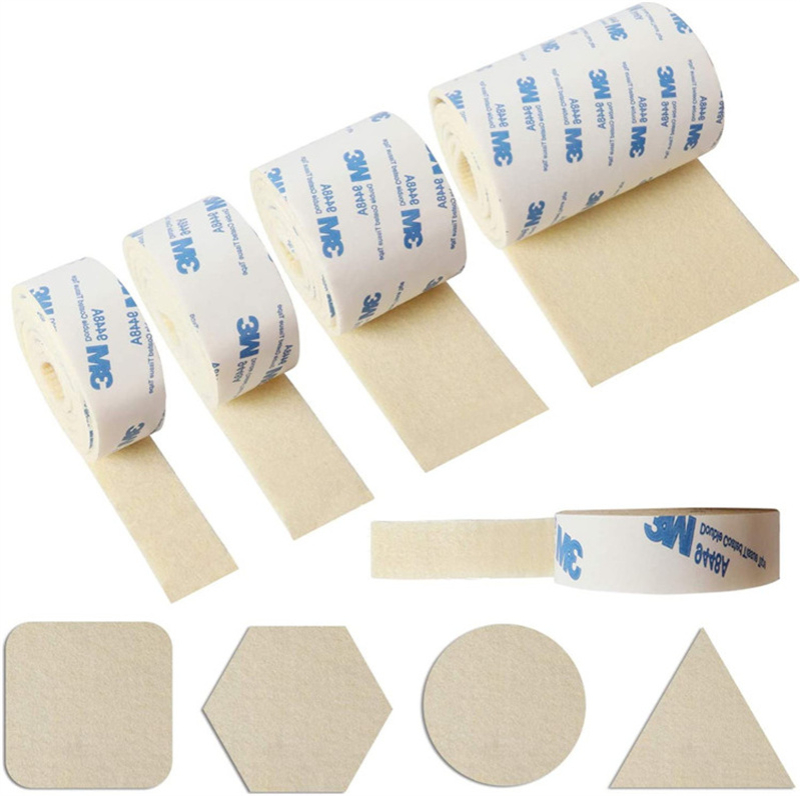
2.4. The fourth and fifth digits indicate the unit volume mass density of the product (g/cm³)
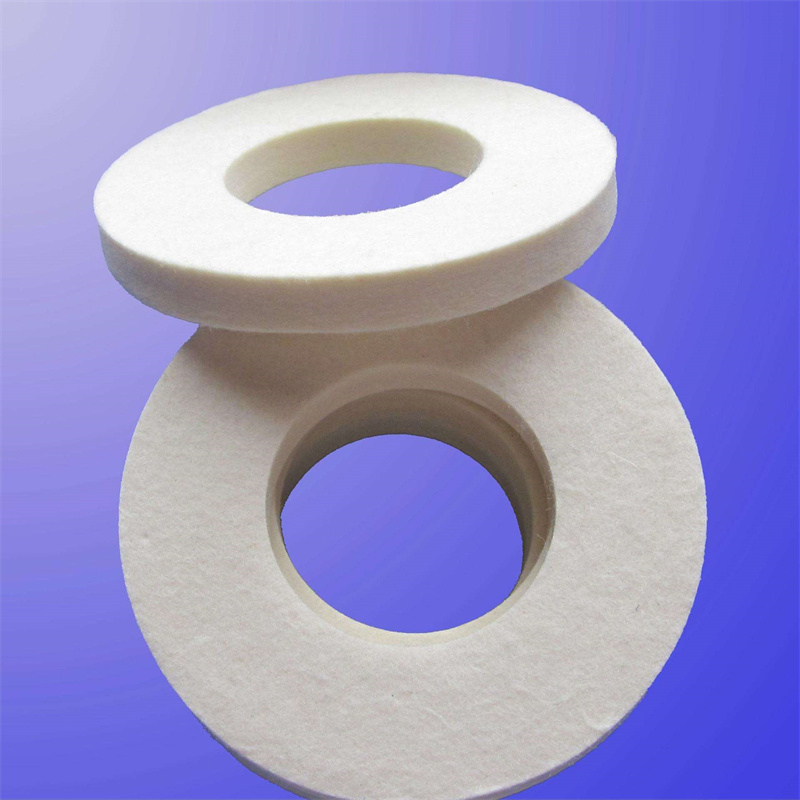
2.5. T stands for special felt.
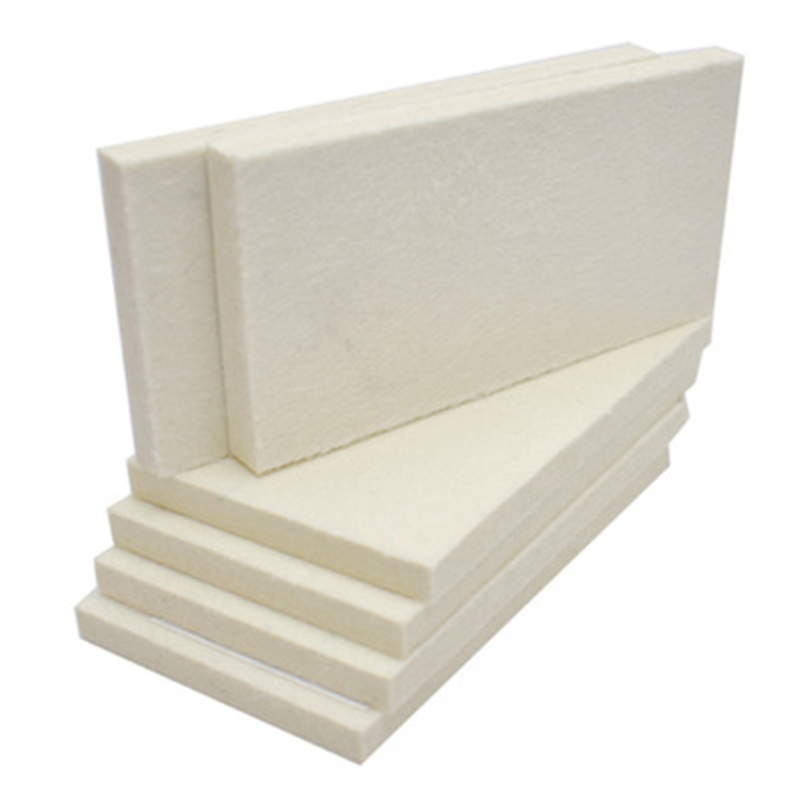
2.6. Examples
Example 1: T112-32-44, a special white fine felt block, density: 0.32g/cm³-0.44g/cm³
Example 2: 112-32-44, that is, white fine wool ordinary felt block, density: 0.32g/cm³-0.44g/cm³
Example 3: 124-25, that is, white semi-coarse felt cylinder, density: 0.25g/cm³